SOLID WASTE TREATMENT
Solid Waste Management
Solid waste includes garbage, industrial sludge, process waste, and discarded materials from daily life. Unmanaged piles rot in public spaces, producing foul odors and leaching toxic discharge. They destroy landscapes and pollute local rivers, lakes, and water bodies.
Landfills are used to hide this waste, but burying garbage in holes is not a long-term solution. Landfill sites require vast land areas and force surrounding communities to evacuate due to severe health hazards. With millions of metric tonnes generated daily, creating endless landfills is logically impossible—eventually, we will run out of livable land.
The myth of pristine rural areas vs. polluted cities is over; trash has crossed the rural-urban divide. Implementing effective solid waste management is essential to eliminate these environmental threats and protect public health.
Steps in Waste Management
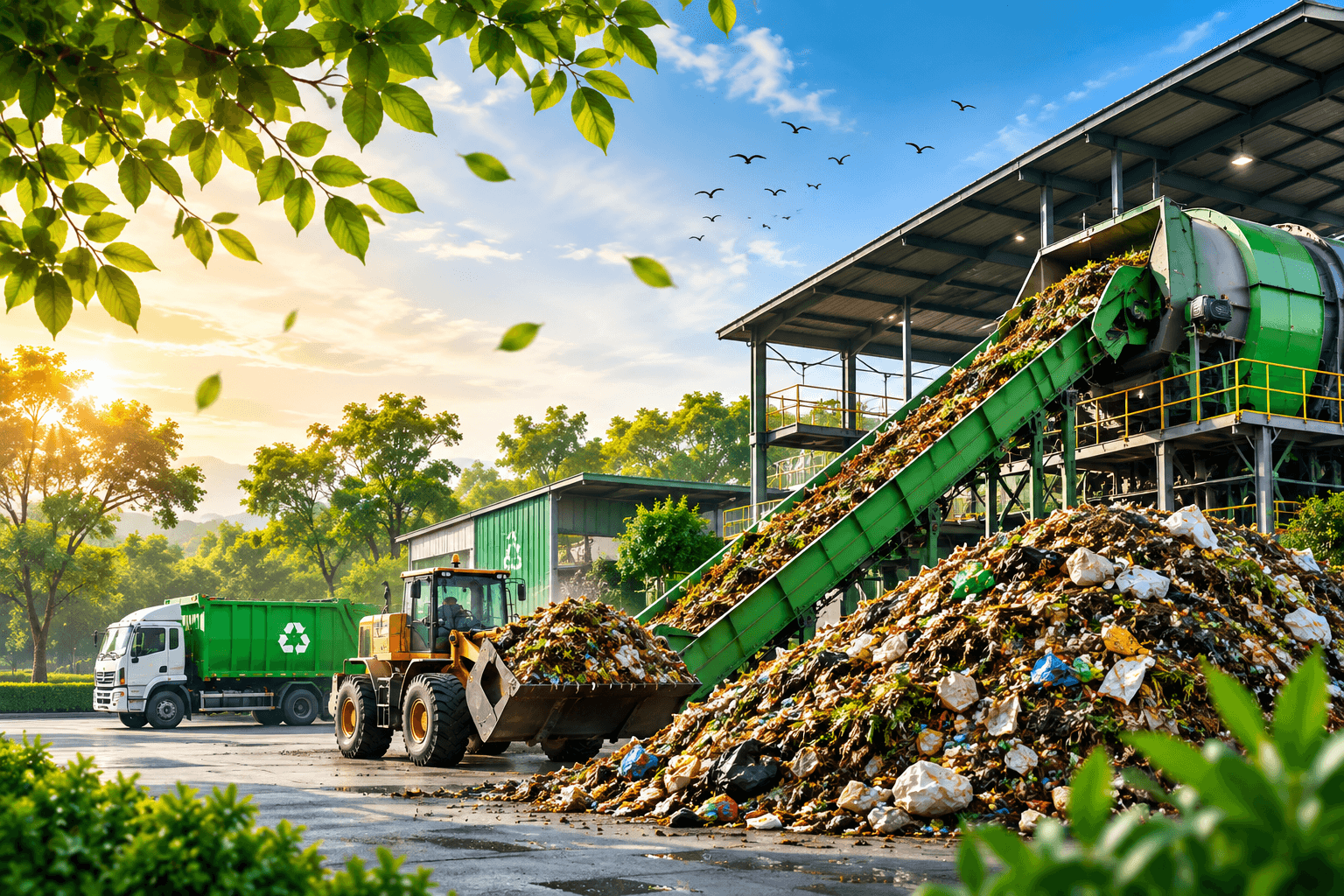
Managing solid waste effectively involves a structured sequence of steps: monitoring, collecting, transporting, processing, recycling, and final disposal. The overall volume of waste generated directly correlates with urban lifestyles and higher socio-economic status.
Common waste treatment methods include:
Thermal Treatment (Waste-to-Energy): Incinerates waste to convert it into carbon dioxide, water vapor, and ash while recovering usable energy.
Pyrolysis: Thermal degradation that processes waste under high heat in the total absence of oxygen or air.
Biological Treatment: Uses microorganisms to break down the biodegradable organic components of waste.
Landfills & Open Dumping: Commonly practiced methods involving dumping waste in open spaces or filling large excavated craters and covering them with soil.
The most sustainable approach remains the 3Rs (Reduce, Reuse, Recycle), alongside emerging eco-friendly technologies designed to minimize environmental impact.
Environmental Impacts of Solid Waste
Unmanaged solid waste inflicts severe damage on local ecosystems and public health:
Soil Contamination: Waste dumped on land leaches toxic chemicals and heavy metals like lead. This poisons the soil, renders land barren, and pollutes surrounding ecosystems.
Climate & Weather Disruption: Careless disposal practices accelerate global warming, disrupt natural seasonal cycles, and cause severe urban flooding through clogged drainage networks.
Public Health Hazards: Rotting waste serves as a primary breeding ground for harmful pathogens, increasing the spread of respiratory diseases like bronchitis and tuberculosis in nearby communities.
Wildlife Habitat Destruction: Toxic runoff and plastic debris contaminate natural habitats, displacing local wildlife and threatening biodiversity.
To address these threats, Enbio Green Solutions provides eco-friendly waste management technologies designed to process solid waste safely, effectively, and sustainably.
Automatic Composting Machine (OWC)
Composting is a natural process where beneficial bacteria transform organic waste into nutrient-rich compost. Enbio’s fully automatic machine speeds this up, turning organic waste into dry compost within 24 hours with an 85–90% volume reduction.
Key Features & Process:
Smart Dehydration: A humidity sensor turns on internal heaters to evaporate the 70–80% water content in food waste, dropping volume instantly.
Resilient Microbes: Our specialized bacterial strain thrives in extreme heat, high acidity, and high salt levels for non-stop decomposition.
Noiseless Mixing: Rotating blades gently mix the pile for uniform heat without noisy grinding or crushing.
24-Hour Output: Rapid moisture removal and targeted microbial breakdown deliver ready compost in a single day.