

Water Treatment Plant
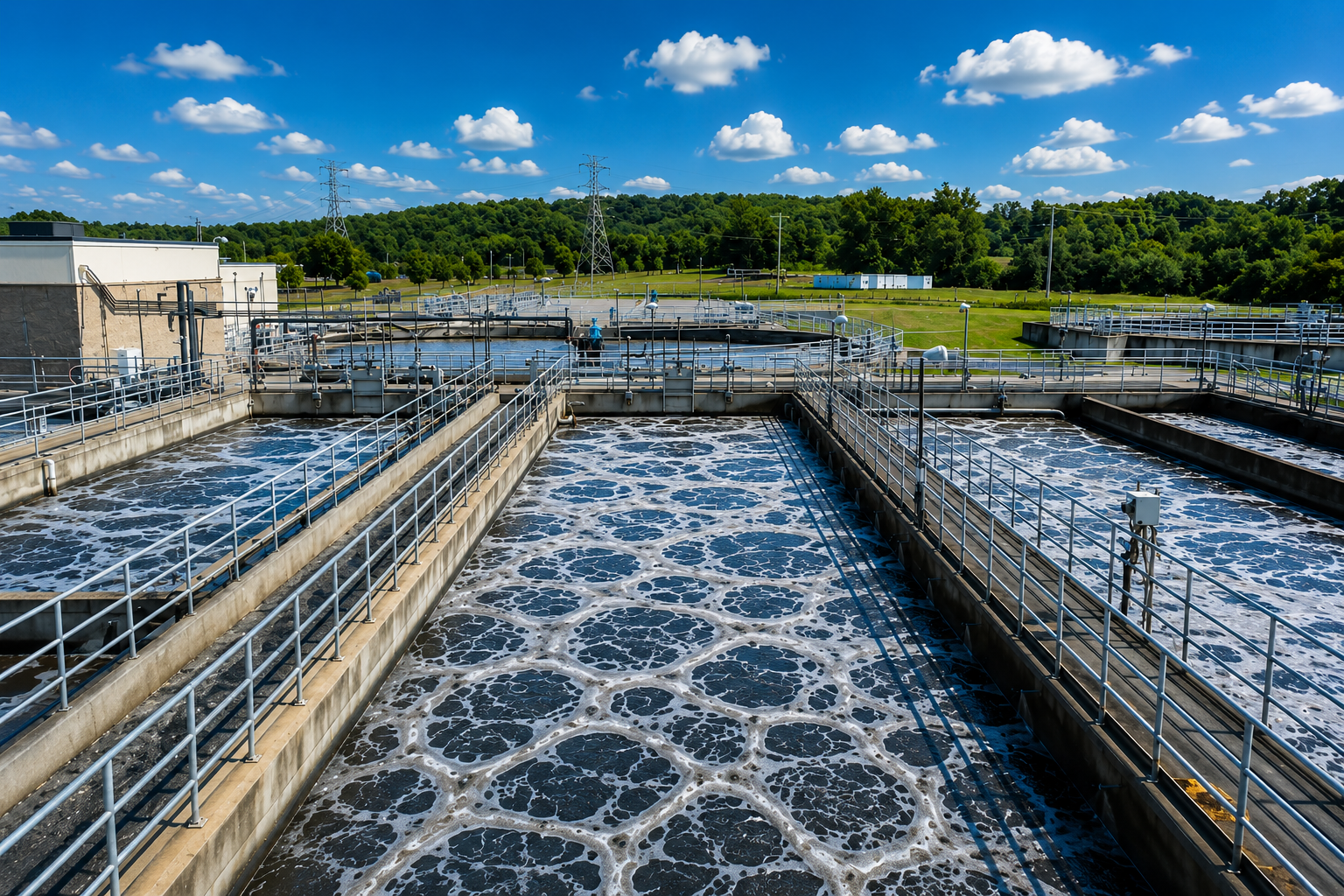
Water Treatment Plant
Water is essential for life on Earth, and while it covers 71% of the planet's surface, clean drinking water is surprisingly scarce. Less than 0.5% of total freshwater is actually accessible for human use, making proper water treatment a critical necessity rather than an option.
Modern technology gives us reliable ways to clean raw water for specific industrial and commercial uses. Once used, clean water turns into sewage that must be treated before discharge to prevent oxygen depletion and severe pollution in local lakes, rivers, and coastal waters.
Raw water must be disinfected to kill off harmful bacteria, viruses, and parasites that cause waterborne illnesses. Effective treatment removes floating solids, algae, microbes, and dissolved metals like iron and manganese, protecting equipment down the line and ensuring safe, clean output.
Advanced Water Purification & Disinfection Methods
➤ 1. Advanced Oxidation Process (TiO₂ + UV):
Uses titanium dioxide activated by UV light TiO2+UV+H2O to generate powerful hydroxyl (OH) radicals without adding extra chemicals. This clean, zero-byproduct process non-selectively breaks down tough organic pollutants, toxic compounds, and stubborn microorganisms at the molecular level.
➤ 2. Multi-Media Filtration:
After settling, water passes through layered media beds—typically graded sand, gravel, and activated charcoal. This physical and chemical barrier traps fine suspended solids, dust, residual taste/odor compounds, and microbes.
➤ 3. Final Disinfection:
Before output water is routed to storage or reuse lines, target disinfectants (like chlorine or chloramines) are dosed to kill off remaining bacteria, viruses, and parasites. This final step keeps the water safe during distribution, which can sometimes leave a mild, characteristic chemical taste.
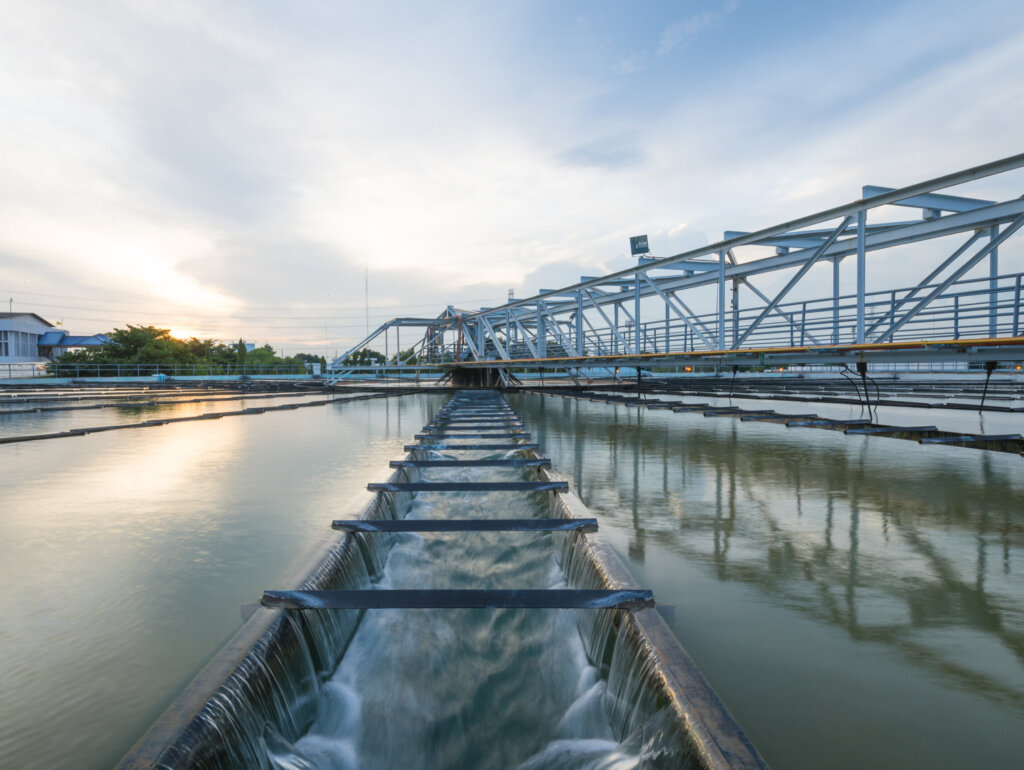
Reverse Osmosis (RO) & Water Quality Monitoring
In natural osmosis, water moves across a semi-permeable membrane from a dilute solution to a concentrated one to balance out free energy and create osmotic pressure. Reverse Osmosis (RO) turns that process on its head. By applying high external mechanical pressure, we force pure water out of a concentrated solution, pushing clean solvent backward through the membrane while leaving dissolved salts behind.
Unlike conventional filtration that relies purely on particle size straining (through physical pores of 0.01 microns or larger), RO uses dense membranes that are either completely nonporous or micro-porous down to 0.001 microns. Separation happens via molecular solubility and diffusion speed—making system performance directly dependent on operating pressure, feed salinity, and temperature. This is the core technology behind desalinating seawater and polishing industrial wastewater for reuse.
Beyond membrane systems, we supply online, high-precision water analyzers for STP and ETP setups. These continuous monitoring units track key output parameters in real time, helping plant operators maintain compliance, verify treated water purity, and protect downstream equipment.